Showing posts with label Disease. Show all posts

Friday, September 6, 2024

Anthrax detected in a moose near Elk Mountain


Headquarter news

Sept. 4, 2024  

Anthrax detected in a moose near Elk Mountain


CHEYENNE — On Sept. 3, the Wyoming Game and Fish Department, through the Wyoming State Veterinary Laboratory, confirmed a case of anthrax in a dead moose in Carbon County. The Wyoming Livestock Board recently informed Game and Fish that cattle near Elk Mountain have tested positive for anthrax.


Anthrax is a naturally occurring bacterial disease that can be transmitted between livestock, wildlife and humans. It is most commonly seen in herbivores, including cattle, deer and bison (elk, moose and pronghorn are also susceptible). Carnivores tend to be less at risk and may display higher resilience to the disease. The spores can persist in the ground for decades and emerge when the ground is disturbed or flooded. Disturbance is common in summer months when conditions may alternate between rain and hot, dry weather, allowing spores to be released from contaminated soil and ingested by livestock or wildlife.  


This recent detection in a moose is the only documented case reported in wildlife at this time. The last confirmed case of anthrax in wildlife in Wyoming was in 1956 in Sublette County. 


Game and Fish is advising hunters and the public to take the following precautions:

  1. If you encounter dead cattle or wildlife, do not approach, handle or move carcasses.
  2. Do not harvest an animal that looks sick. Early signs of anthrax can include respiratory difficulty and disorientation. After death, infected animals tend to bloat very quickly and you may see black, tarry blood coming out of natural body openings (e.g., nose, mouth, anus).
  3. It is always recommended to wear gloves while field dressing or handling harvested animals.
  4. Do not pick up roadkill or fresh deadheads in the Elk Mountain area.
  5. Keep dogs, horses and other pets away from animal carcasses you come across in the field.
  6. If hunters encounter deceased wildlife, note the location or take a GPS pin and report findings to Game and Fish. You can report a wildlife disease incident online or by calling the Game and Fish Wildlife Health Laboratory at 307-745-5865.
  7. Human cases are rare but precautions are warranted. If you have concerns that you may have come into contact with an anthrax-infected animal, please contact the Wyoming Department of Health and seek medical attention.

Game and Fish will continue to monitor the situation and assess impacts to wildlife. If changes occur that require further action, hunters will receive updates through emails and posts on the Game and Fish website. 


For questions, please consult the following list of resources:


Agency

Topics Covered

Contact Information

Wyoming Livestock Board

Occurrences in cattle and area affected

307-777-7515

Website

Wyoming Department of Health

Human health and safety concerns

307-777-7656

Website

Wyoming Game and Fish Department

Wildlife and hunting concerns

Wildlife Health Lab: 307-745-5865

Regional Office: 307-745-4046


— WGFD —


footer_2017-Conserving Wildlife Serving People


The Wyoming Game and Fish Department manages and conserves more than 800 species of fish and wildlife across Wyoming.  For nearly 120 years, we’ve carried out our mission to conserve wildlife and serve people. Through these efforts, the Wyoming Game and Fish Department ensures the public continues to enjoy Wyoming’s vast fish and wildlife resource  through  hunting, fishing, trapping, wildlife watching and other forms of outdoor recreation. Hunters, anglers and wildlife watchers contribute over a billion dollars to Wyoming’s economy each year.


Wednesday, June 26, 2024

Report dead wild rabbits to Game and Fish

 Report dead wild rabbits to Game and Fish
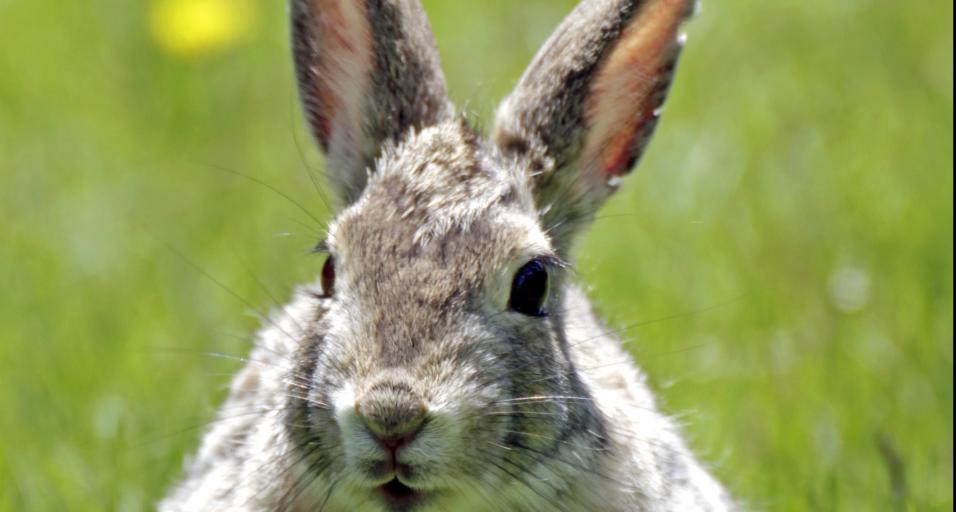
Wyomingites are being asked to keep a lookout for dead rabbits in their yards, rural property and other outdoor areas. The Wyoming Game and Fish Department is collecting wild rabbit carcasses for Rabbit Hemorrhagic Disease Virus2 testing, known as RHDV2. While not found in Wyoming yet, the disease has been identified in neighboring states. Testing rabbits is key to monitoring the disease spread.

RHDV2 is a fatal disease of rabbits and hares. An estimated 35-50% of infected wild rabbits succumb to the disease.  

Samantha Allen, Game and Fish state wildlife veterinarian, said all of Wyoming’s rabbits and hares are susceptible — that includes game and nongame species like cottontail rabbits, jack rabbits and potentially, pygmy rabbits. Domestic rabbits are also at risk; however, other domestic pets and livestock are not at risk from the disease.

The first indication of RHDV2 infection in rabbits is dead animals.

“Any rabbit could become infected with the disease - so it could be a cottontail living in your yard or the one you see while hiking,” said Allen. “Please report any dead rabbits you find. Testing these carcasses is the only way to know if the disease is in Wyoming.”

The disease has been confirmed in California, Nevada, Texas, New Mexico, Arizona, Utah and Colorado. 

RHDV2 does not pose a threat to humans, but rabbits carry other diseases which can —  like tularemia and plague. The public is advised not to touch or pick up any dead wild rabbits. Rather, note the location and call the Game and Fish Wildlife Health Lab at (307) 745-5865 or the nearest regional office. Game and Fish personnel will evaluate the situation, and make plans to collect the rabbit.

